Company Profile
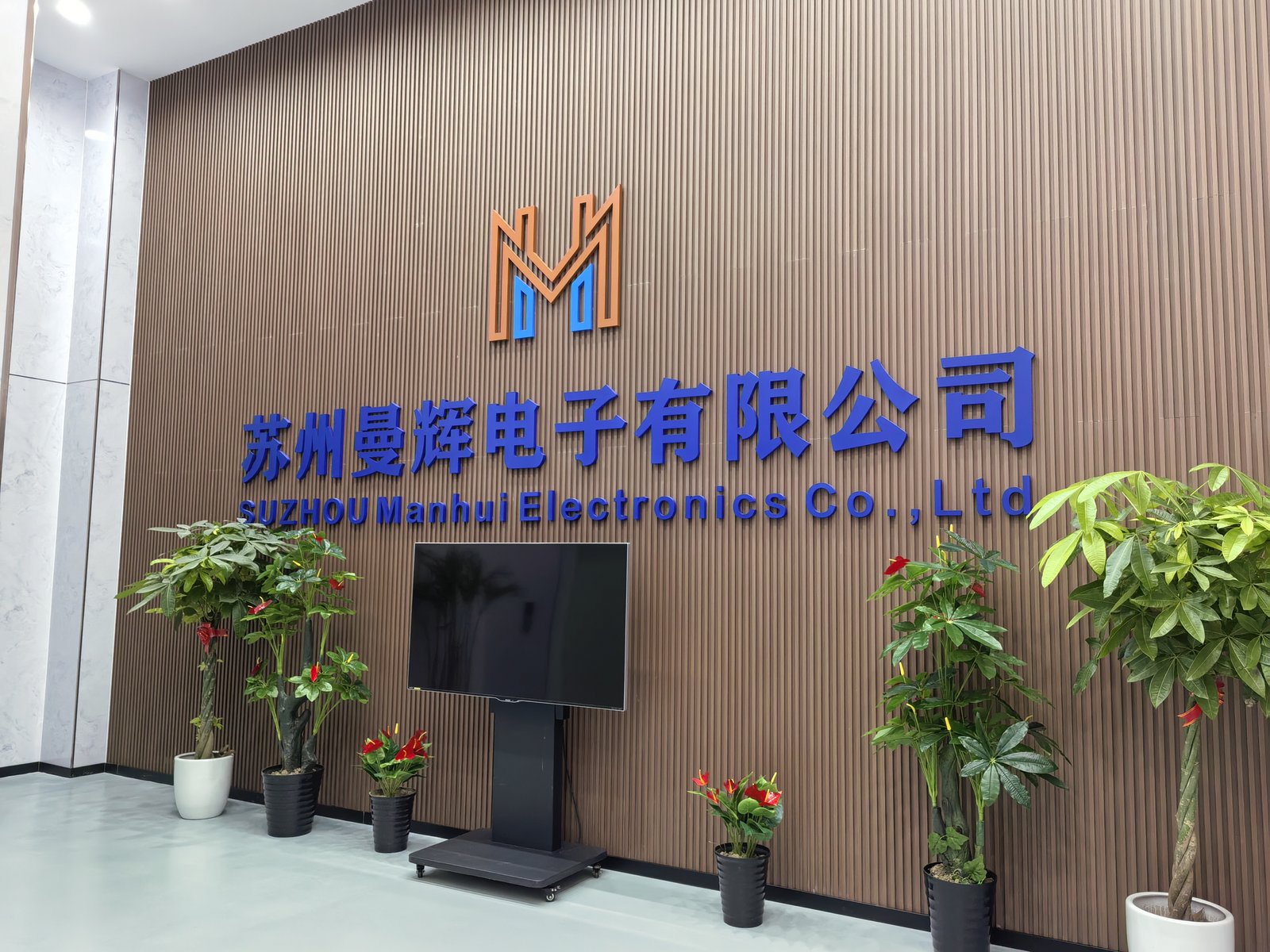
Located in the manufacturing hub of Suzhou, Suzhou Manhui Electronics Co., Ltd. is an electronic manufacturing services (EMS) company specializing in SMT assembly, DIP/through-hole soldering, PCBA testing and assembly, and OEM/ODM contract manufacturing.
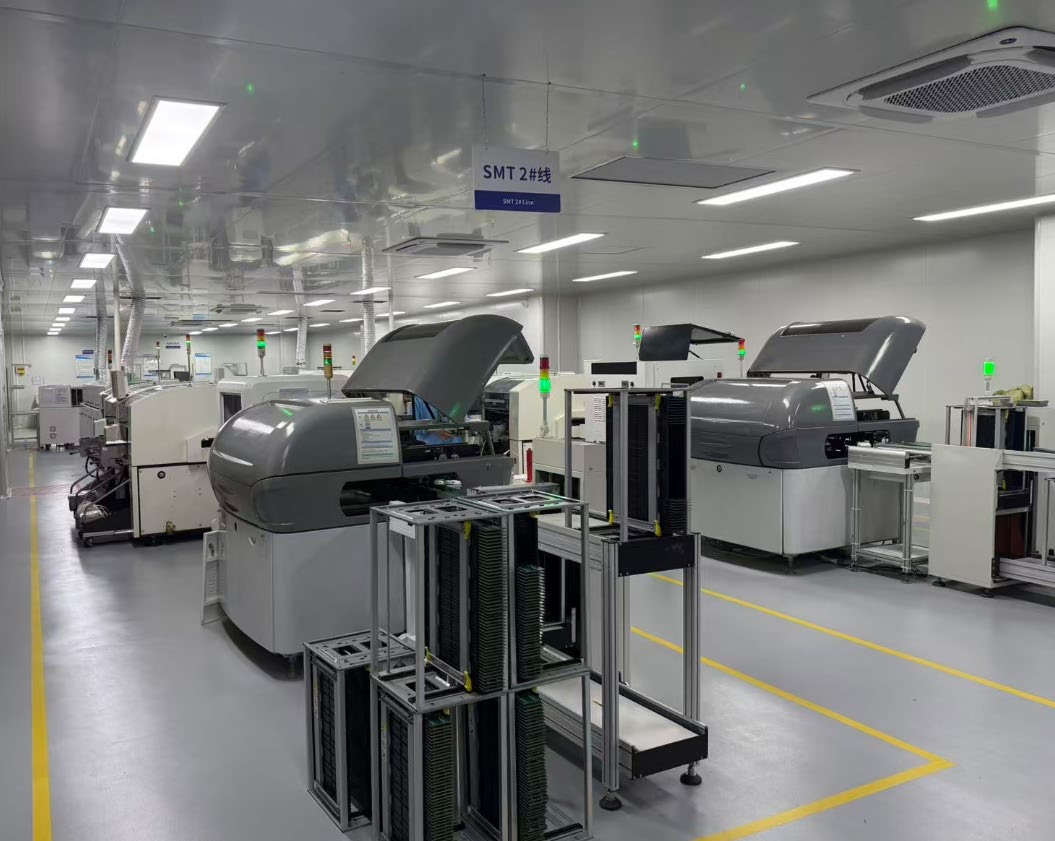
Our standardized dust-free workshop houses fully automatic SMT lines equipped with high-speed placement machines, automatic stencil printers, multi-zone reflow ovens and AOI systems, handling precision placement of 0201, BGA, QFN and other fine-pitch components.
We treat every circuit board with true craftsmanship: from incoming inspection, stencil printing, placement and soldering, optical inspection to functional testing, every step is strictly controlled to deliver products that stand up to any examination.
Upholding the philosophy of Quality First, Customer First, Excellence Only, Manhui Electronics looks forward to being your trusted manufacturing partner with stable quality, fair pricing and on-time delivery.
Workshop Gallery
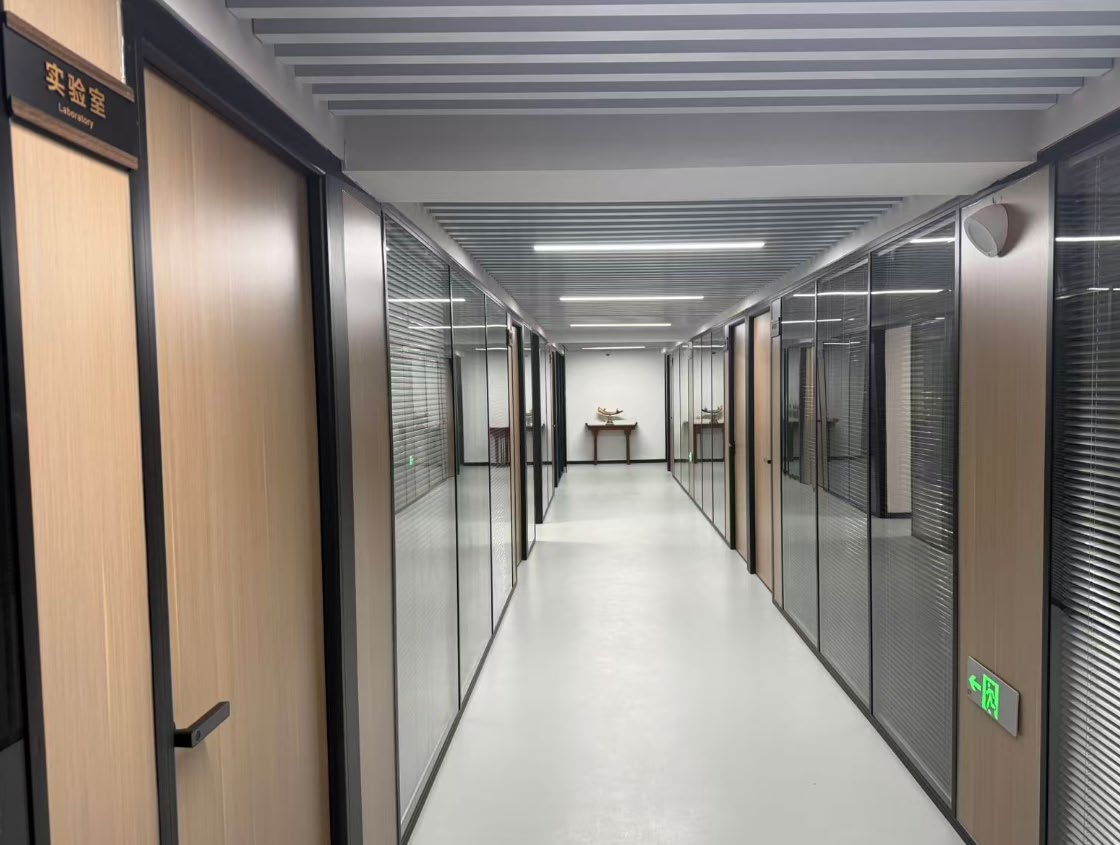
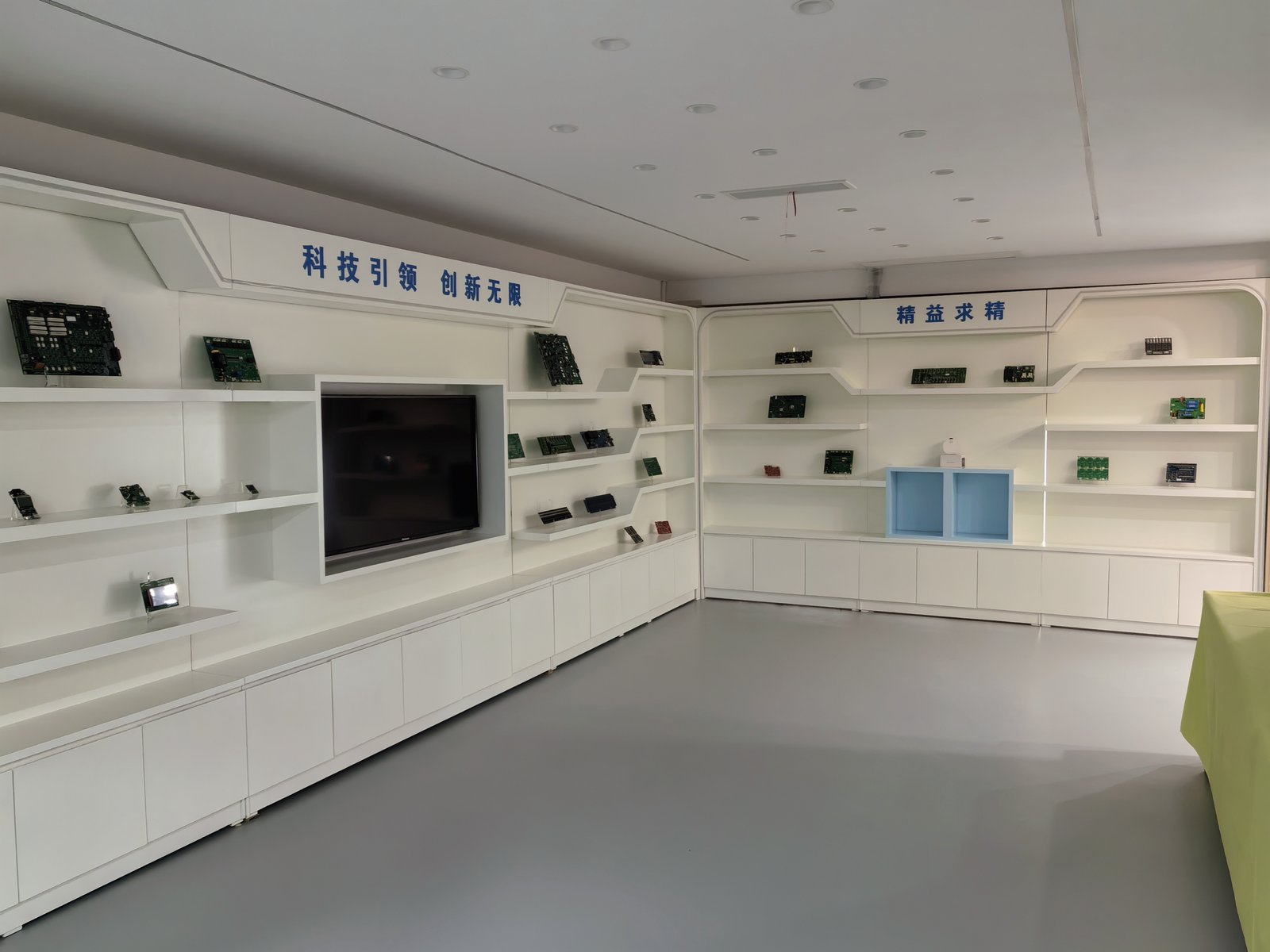
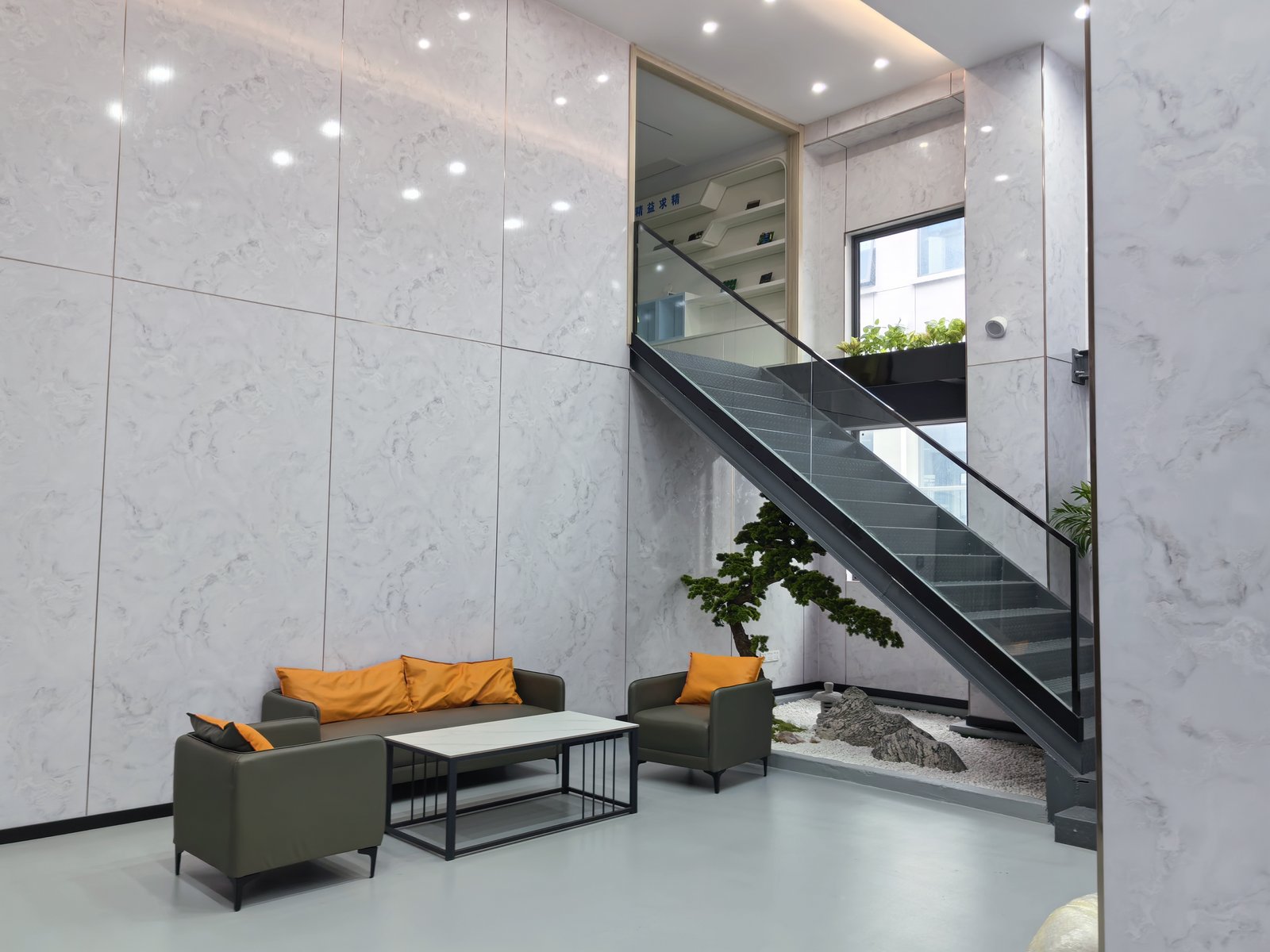
Standardized dust-free workshop and production site
Production Equipment
Advanced equipment is the foundation of consistent quality
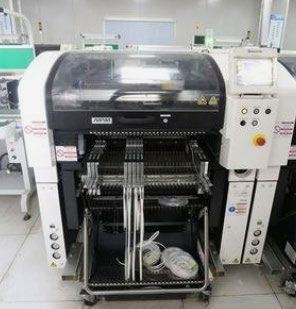
Panasonic NPM-W2 High-Speed Placement Machine
1. Outstanding versatility and support for large components The NPM-W2 offers excellent support for large boards and components: boards up to 750 x 550 mm (single-rail full-board mode) and large components up to L150 x W25 x T30 mm. For tall components, placement height can be extended to below 48 mm (including board thickness) - easily handling the large, heavy BGAs and high-pin-count connectors common in servers, LED displays and similar products. 2. Flexible head combinations and dual-rail operation The dual-head structure lets the front and rear placement heads be configured flexibly. Main options: - Lightweight 16-nozzle head V3A: ultra-high-speed placement of micro components (e.g. 03015 chips) - 12-nozzle head: balances speed and versatility - Lightweight 8-nozzle head: high-speed placement from micro to medium components - 3-nozzle head V2: dedicated to odd-form components The dual-rail conveyor supports independent placement (front/rear rails can run different products) and dual-rail transfer, significantly increasing productivity per unit area and allowing changeover on one rail while the other keeps producing. 3. Placement and inspection integrated for quality assurance The NPM-W2 integrates inspection into the placement process via its multi-function recognition camera: - 2D inspection: checks solder paste printing quality (insufficient paste, offset, bridging, etc.) and placement status (presence, offset, polarity, etc.) - Component thickness measurement: detects tilted or standing components and adjusts placement height for stability - 3D coplanarity measurement: checks lead flatness of QFP/SOP and solder-ball presence/loss on BGA/CSP
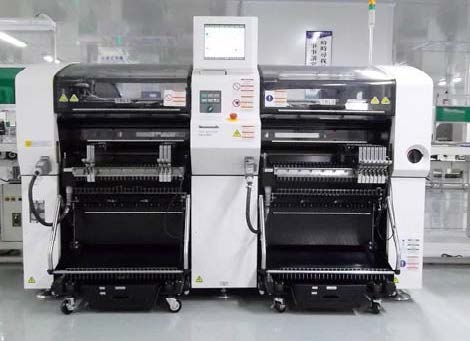
Panasonic CM602-L Modular Placement Machine
1. Modular design with high flexibility The CM602-L is built around the concept of "configure as needed". It supports up to 10 module combinations, letting you mix high-speed, general-purpose and multi-function heads to balance throughput and adaptability on one line. Software and hardware compatibility with the CM402 keeps the barriers to upgrading or mixed-line production low for existing CM402 users. 2. Linear-motor-driven motion system Both X and Y axes use new linear motors; together with a lightweight, highly rigid beam and head design, vibration is effectively suppressed at high speed for stable placement. A new cooling design dissipates heat faster during high-speed operation, extending motor life and sustaining productivity. 3. Enhanced component capability With the 12-nozzle high-speed head, the placeable component range is about 2.4 times wider than the previous generation - high-speed placement from microchips to 12 mm square components. The general-purpose 8-nozzle head strengthens odd-form handling and supports 3D sensor integration and direct tray feed. Universal transfer units for POP (Package on Package) and C4 (flip chip) ensure precise, efficient delivery of solder and flux. 4. High-uptime feeder and changeover design Seven feeder types cover all taped components from 8 mm to 104 mm - outstanding feeder commonality in the industry. On-the-fly feeder exchange and a full exchange-trolley design dramatically shorten changeover time and raise overall equipment efficiency.
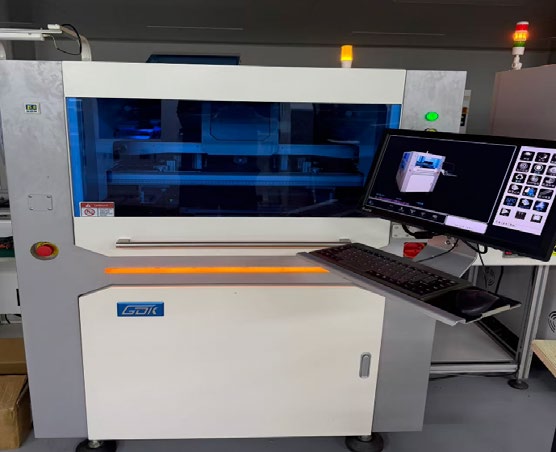
Fully Automatic Solder Paste Printer
Vision alignment: a high-precision CCD camera automatically recognizes the PCB fiducial marks and compares them with the stencil apertures; servo systems automatically correct any position deviation. Printing system: the squeegee moves over the stencil at set pressure and speed, pressing solder paste through the apertures onto the PCB pads. Squeegee pressure, speed and separation are digitally controlled for consistency. Stencil cleaning: after a number of prints the stencil underside is wiped automatically to remove residual paste, preventing clogging and printing defects. Conveying and clamping: the PCB is loaded, positioned and clamped automatically, then sent to the next process after printing.
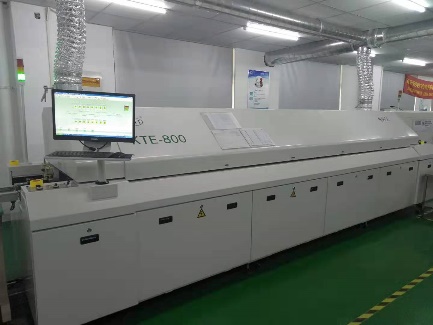
Reflow Oven
It uses a patented hot-air system, achieving efficient heat transfer and rapid thermal compensation through forced convection. Temperature control is a PLC + PID full closed loop with SSR drive: control accuracy reaches plus/minus 1 degree C, and board-surface temperature distribution deviation is kept within 1.5 degrees C - stably meeting the demanding profile requirements of lead-free soldering. Modular, maintainable design The oven is fully modular; the chamber opens entirely for easy daily cleaning and maintenance, reducing downtime. Specially hardened rails with a dual-chain anti-jam structure stay durable while ensuring stable transport. An automatic lubrication system supports both automatic and manual oiling modes.
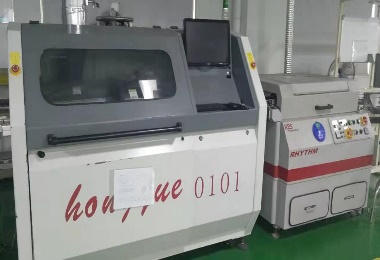
Selective Wave Soldering Machine
Individualized soldering parameters: flux volume, soldering time and wave height for every joint can be programmed independently, tailoring the optimal soldering profile to components of different sizes and thermal capacities. Excellent through-hole filling: in a nitrogen atmosphere the wetting and flow of solder improve markedly; through-hole filling approaches 100%, greatly reducing the risk of open and cold joints. Less bridging and contamination: flux is sprayed locally and precisely instead of over the whole board, greatly reducing flux residue and ionic contamination - lowering cleaning costs and the chance of solder bridges between pins.
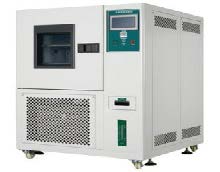
Temperature & Humidity Test Chamber
Typical uses in the electronics / SMT industry For PCBA, semiconductor, automotive electronics, new energy and other fields, the chamber is commonly used to: - Evaluate insulation resistance, electrochemical migration, delamination and cracking of solder joints, PCBs and components under humid-heat stress - Verify the moisture-proofing effect of conformal coating, potting compound and connectors - Perform temperature/humidity safety testing of batteries and modules - Screen product reliability together with powered burn-in
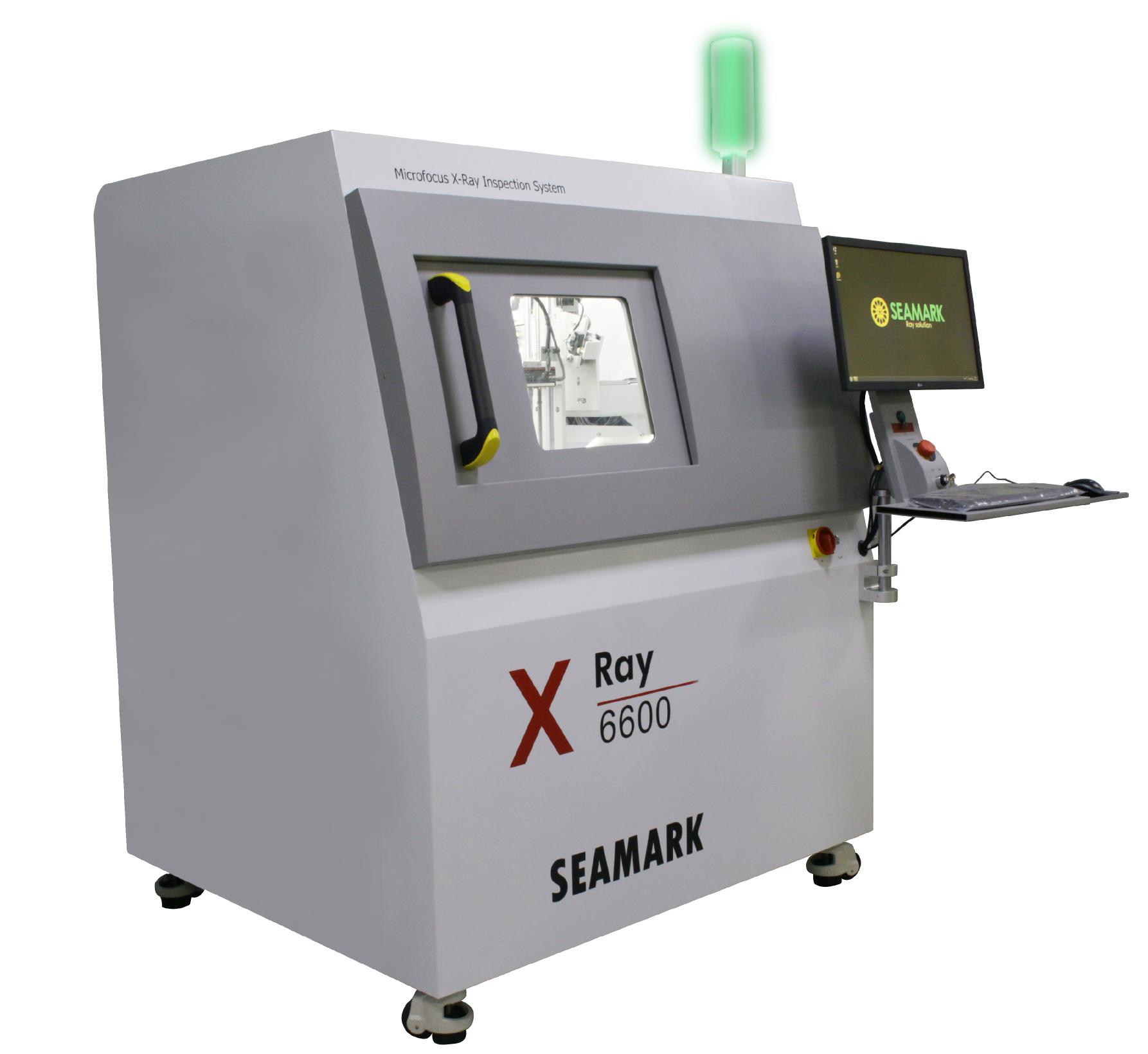
X-Ray Inspection Machine
Automatic defect recognition: built-in intelligent inspection software and image algorithms automatically identify common process defects - dimensional anomalies, bridging, open joints, offsets, cracks, abnormal areas - reducing human judgment error. For BGA solder balls, fully automatic void-ratio calculation quickly assesses soldering quality. Dedicated BGA joint inspection: single balls can be selected and annotated, or batches measured via matrix selection, manually or automatically - precisely locating hidden defects such as voids, bridging and cold joints. Multi-angle and tilted inspection: multi-angle viewing and T-axis tilt capture defect details from different directions when a vertical view is insufficient, providing multi-dimensional information for cracks, opens, offsets and other complex issues. Dimension and morphology measurement: measures chip dimensions, trace curvature, solder-area ratios and more to verify incoming material and process conformity. High-throughput scanning: free-point and matrix CNC inspection modes provide fast, standardized automatic scanning of similar products - ideal for batch inspection.
Wave Soldering Machine
Main functions of wave soldering: - Batch soldering of through-hole components: after flux spraying and preheating, the board bottom touches the molten solder wave; capillary action fills the holes and all inserted leads are soldered in one pass - ideal for resistors, capacitors, connectors, transformers and relays - Secondary soldering for mixed-technology boards: after SMT placement, remaining through-hole parts are inserted; wave soldering finishes those joints while avoiding thermal damage from a second reflow pass - Reliable joints: solder fills the holes and forms fillets on the pads for good electrical continuity and mechanical strength. In dual-wave soldering the first (turbulent) wave overcomes shadowing and aids climb; the second (laminar) wave dresses joints, reducing icicles and bridging - Higher efficiency, lower labor cost: continuous board flow suits large-scale standardized production, with consistent joints and low dependence on operator skill - Adaptable to various insertion processes: with pallets and selective masking it handles different board types; nitrogen wave soldering reduces oxidation and improves wetting for lead-free quality
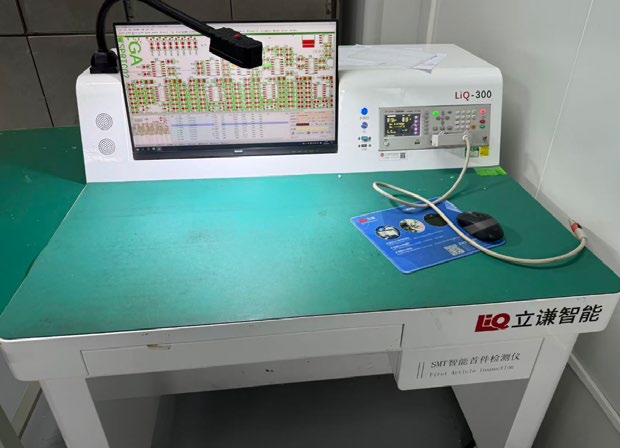
First Article Inspection (FAI) Machine
Core functions of the FAI machine 1) Automatic electrical measurement (core capability) High-precision probes automatically measure resistance (R), capacitance (C) and inductance (L) and compare them with nominal BOM values for tolerance - the irreplaceable core function. Some models measure micro components down to 01005 (imperial). 2) Appearance and placement checks With a high-definition camera the machine checks polarity, silkscreen text, offset, angle errors, wrong parts, missing parts and extra parts; the software displays standard orientation marks and text on screen for visual comparison. 3) Automatic program generation and reports After importing the BOM, CAD coordinates and Gerber files, the system generates the inspection program automatically - no manual point-by-point programming. Results are judged and recorded automatically, producing a standardized FAI report (test method, values, operator, time) for quality traceability. 4) Multi-dimensional verification Electrical measurement ("is this capacitor really 100 nF?") combined with visual inspection ("is its polarity correct?") fully verifies the first article; results appear on screen with voice prompts, and failed components are flagged automatically. Typical workflow - Data import: engineering imports the customer's BOM and CAD coordinate files - Board positioning: the first article is placed on the fixture and the origin camera finds the fiducials - Automatic inspection: probes touch each component per program to measure electrical values while the camera checks appearance - Automatic judgment: measured values are compared with BOM nominals; the screen shows OK/NG with a voice prompt - Report generation: an FAI report is created automatically and archived - Release decision: production may proceed only after the first article passes
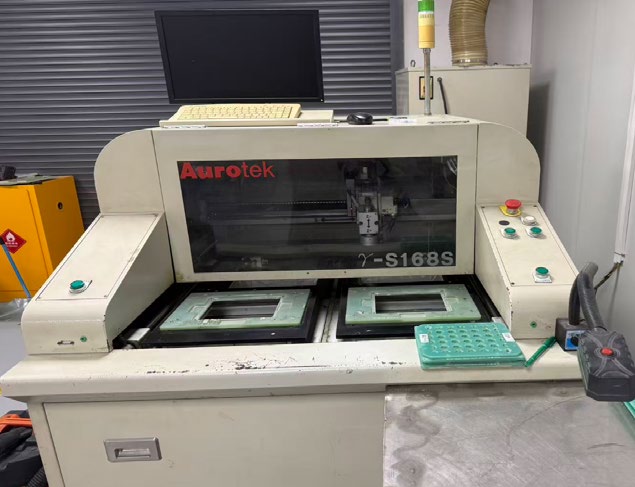
CNC PCB Depaneling Router
Very low stress protects components: routing stress is far lower than V-cut sawing (about 100-200 micro-strain vs 300-500 micro-strain), effectively preventing cracking and latent damage in sensitive parts such as MLCCs and BGA joints and markedly improving long-term reliability. High precision, any shape: cutting accuracy reaches plus/minus 0.05 mm or better, easily handling odd-form boards, arcs and curved outlines that V-CUT cannot process - virtually no limits on panel design. Excellent cut quality: smooth, burr-free edges and a high-quality cut face reduce subsequent cleaning and rework. High flexibility, fast changeover: programs are stored and reused, ideal for high-mix low-volume (HMLV) production - switching products simply means loading the corresponding program.
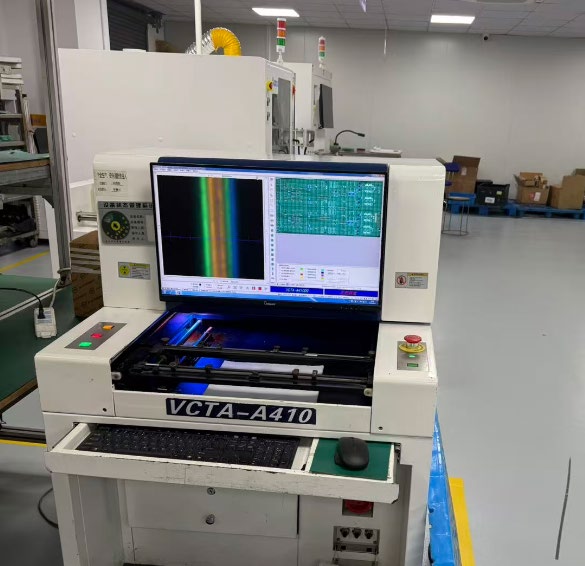
Off-Line AOI
Flexibility and value: typically lower cost than in-line AOI with flexible deployment - perfect for high-mix, low-volume, frequent-changeover production. Deep analysis and re-judgment: without affecting line takt, boards judged NG by in-line AOI can be re-inspected precisely off-line, effectively lowering false-alarm rates; also a core tool for sudden quality issues and customer-return analysis. First article and engineering verification: an ideal choice for first-article inspection (FAI) and validating the quality of new processes or products, providing reliable process-parameter verification for mass production. Flexible programming and debugging: supports CAD data import and automatic programming; programming and debugging do not interrupt the running line.
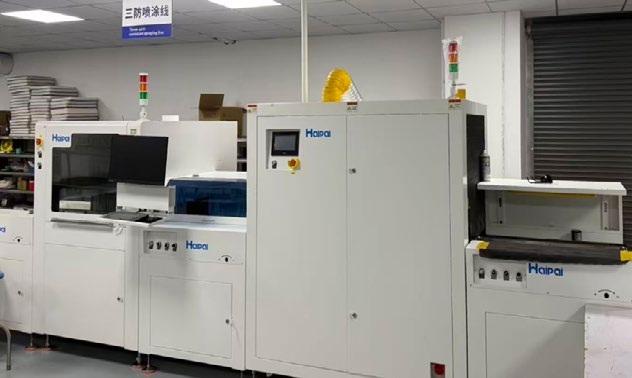
Selective Conformal Coating Machine
No masking, higher efficiency: traditional processes need large amounts of high-temperature tape to protect no-coat areas; selective spraying avoids them precisely via programmed boundaries, greatly reducing or even eliminating masking and de-masking - significantly cutting labor cost and material waste. High precision, material savings: spray accuracy of 0.02 to 0.05 mm steers clear of test points as small as 1 mm in diameter. Coating utilization exceeds 90% - outstanding economics for expensive specialty coatings in long-term production. High consistency, assured quality: automation removes human variability, keeping coating thickness and coverage uniform on every board and reducing corrosion or short-circuit risks caused by uneven coating.
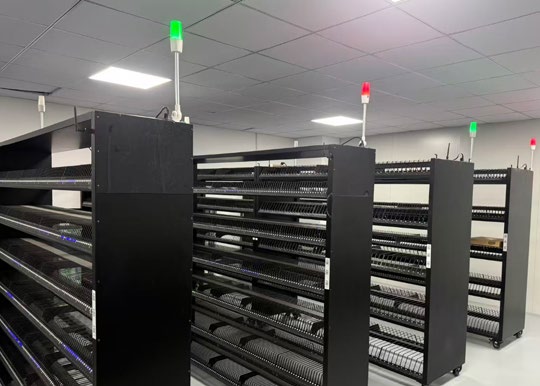
Smart Electronic Component Cabinet
Precise inventory control: integration with WMS (warehouse management), ERP (enterprise resource planning) and MES (manufacturing execution) systems keeps stock data updated in real time, ensuring records match reality. First-in-first-out (FIFO): the system enforces issuing in receipt order, effectively managing shelf life - vital for moisture-sensitive devices (MSD). Error-proof operation: barcode/RFID scanning, pick-to-light guidance and sensors ensure accurate picking and storage, with picking accuracy up to 99.99%. Environmental monitoring and control: for moisture-sensitive parts, high-end cabinets integrate temperature/humidity sensors and nitrogen storage for constant climate or moisture-proof keeping. Smart stocktaking: automatic or semi-automatic counting with automatic discrepancy comparison greatly reduces the time and errors of manual stocktaking.
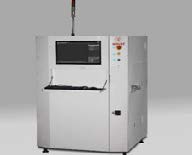
In-Line AOI
100% real-time inspection, zero escapes: the irreplaceable value of in-line AOI - every PCB is fully inspected and defects are intercepted immediately so they never reach functional testing or final assembly. Data loop and process optimization: the accumulation of full inspection data is the most direct basis for optimizing process parameters and raising overall yield; results feed back to MES in real time for end-to-end quality traceability. Higher detection accuracy: higher hardware specifications (higher-resolution cameras, better optics) and more mature vector-analysis algorithms give in-line AOI a clear edge over off-line AOI on 0201/01005 micro-components and fine-pitch ICs. Deep line integration: runs synchronously with the SMT line with no extra handling or loading - saving labor, matching the line takt and never becoming a production bottleneck.
Our Philosophy
Quality First · Customer First · Excellence Only · Small but Refined — Speed and Quality Together
Quality First
Quality is the life of an enterprise. We control every process to a nearly uncompromising standard and never tolerate defects.
Customer First
We respond to customers with urgency: 24-hour quotations, dedicated service contact and real-time order progress updates.
Excellence Only
We refuse to compete on low price and low quality. Every board we deliver is a product we stand behind.
Small but Refined — Speed and Quality Together
A compact, focused operation with a full set of inspection and lab instruments. Quotation, production, responsiveness and quality go hand in hand.